For centuries, menstruation and the female body have been surrounded by myths, shame, and silence.
From women being considered impure during menstruation to the normalization of pain or symptoms such as urinary leakage, women have learned to accept symptoms as an inevitable part of life.
But common is not the same as normal.
It is not normal to be in pain. It is not normal to have urinary leakage. And it is possible to prevent and treat these conditions with specialized care.
Today, despite living in an era of information, many women still arrive at consultations without knowing what the pelvic floor is, or without ever having observed their own vulva. Some believe they urinate through the same opening from which they menstruate. Others adapt their lives to dysfunction: avoiding leaving home for fear of urinary urgency, limiting activities, or living with pain in silence.
Silence is harmful.
The longer the search for help is postponed, the more complex the problems become. And the more the idea that discomfort is “normal” continues to be reinforced.
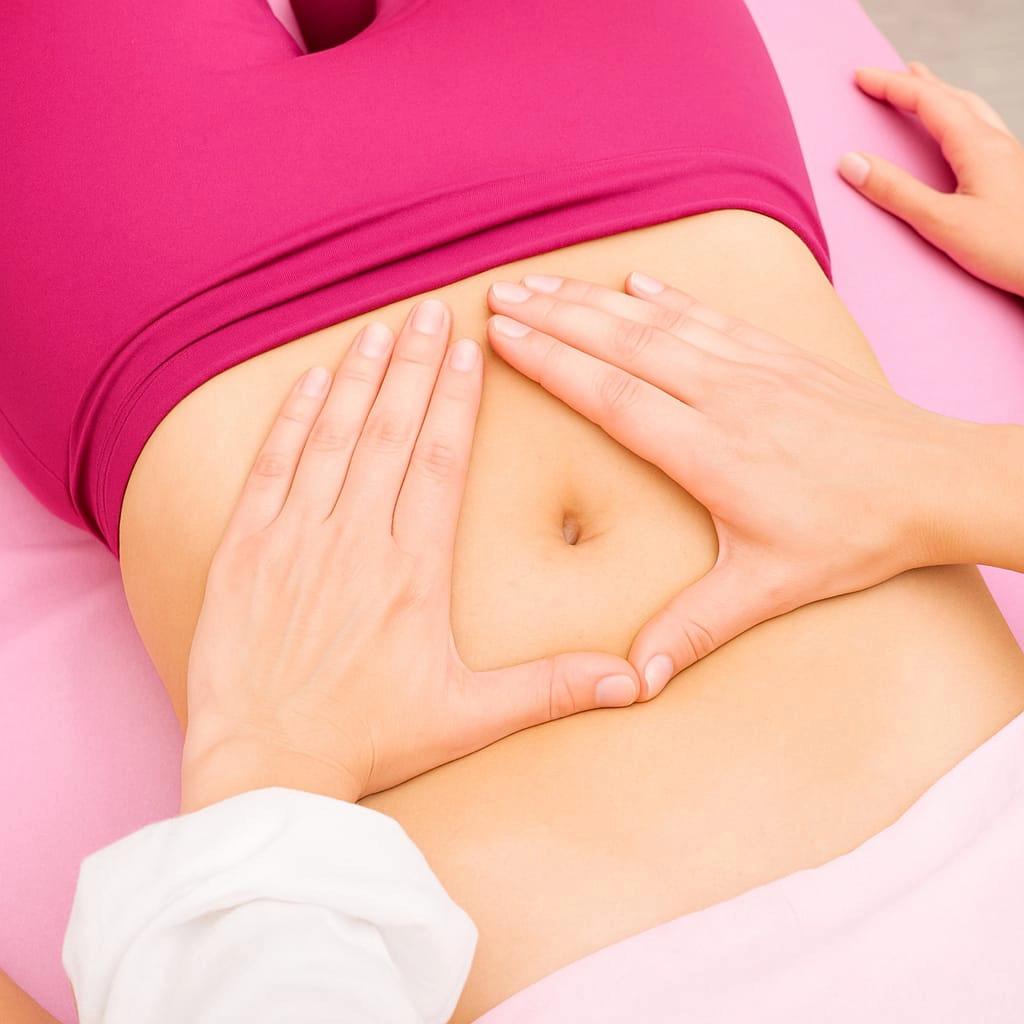
Pelvic Physiotherapy emerges as a bridge between the problem and the solution.
Through individualized assessment, re-education exercises, muscle training, and body education, it is possible to prevent complications, restore function, and give women back autonomy and confidence.
This specialty is not only for those who already have symptoms — it is also for those who want to prevent problems and live with quality of life.
A teenager should not suffer from disabling pain every month.
A mother does not have to accept urinary leakage as an inevitable consequence of childbirth.
A grandmother should not stop playing with her grandchild because of fear of urinary urgency.
Taking care of pelvic health is taking care of the freedom to live fully at any age.
Maintaining pelvic health and menstrual well-being is not limited to doing exercises. It is about caring for the body in an integrated way:
Having regular check-ups with a gynecologist and a pelvic physiotherapist, even without symptoms.
Practicing physical exercise adapted to the different phases of the cycle — remembering that the pelvic floor works together with the rest of the body’s muscles.
Respecting the menstrual cycle — resting when the body asks for it, instead of forcing it to follow a rhythm that does not match its phases.
Cultivating healthy habits, such as not postponing trips to the bathroom and avoiding straining during bowel movements.
Maintaining good intestinal health through balanced nutrition and adequate hydration.
And above all, listening to the body. It speaks to us — through the cycle, our energy levels, pain, and well-being.
Talking about pelvic health and menstruation is an act of courage and self-love.
It means embracing the body as a territory of care, not of shame.
When a woman knows her body, understands her cycle, and takes care of her pelvis, she gains more than health — she gains autonomy, pleasure, confidence, and freedom.
Pelvic health should not be a matter of whispers, but of pride and care.
Because every open conversation, every shared experience, and every step toward self-knowledge helps break the taboo and rewrite the way we view the female body.